







Search Results for: Roasted Blend

Espresso Coffee Beans | Why Blend Coffee Beans? What Do Raw Blending and Roasted Blending Mean? What Should Be Noted When Blending Coffee Beans?
Many people don't understand how blend beans are formulated into a blending plan. Now Front Street Coffee will guide you through the ideas behind blending coffee beans and how to blend coffee. The reasons and purposes for blending: people need to combine coffees from different origins for several different purposes. The most ideal purpose, of course, is to blend a kind of flavor [more…]
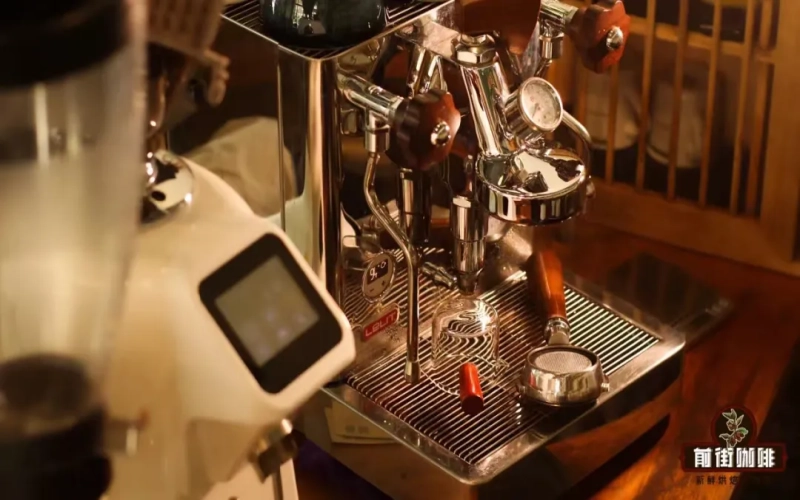
What coffee beans go with espresso? From roast level to blend choices, Front Street Coffee recommends four medium-dark roast beans.
To make a delicious espresso at home with a steam espresso machine, choosing the beans is the first step. Espresso is especially sensitive to the roast level; lightly roasted beans tend to taste sour, astringent, and thin under high pressure, so cafes generally use medium-to-dark roasted blend beans. Why are blend beans better suited for espresso? How do single-origin beans and blend beans each perform when made into espresso? Front Street Coffee, based on popular tastes, has launched four medium-to-dark roasted espresso blends—Warm Sun, Specialty, Commercial, and Dark Cocoa—covering different styles such as winey, nutty, full-bodied, and slightly acidic. This article will also share reference parameters of 20g of grounds extracted to 40g of liquid in 25-30 seconds, as well as a little trick for judging the extraction state by the color of the crema, to help you find an espresso recipe suited to your own machine. [more…]
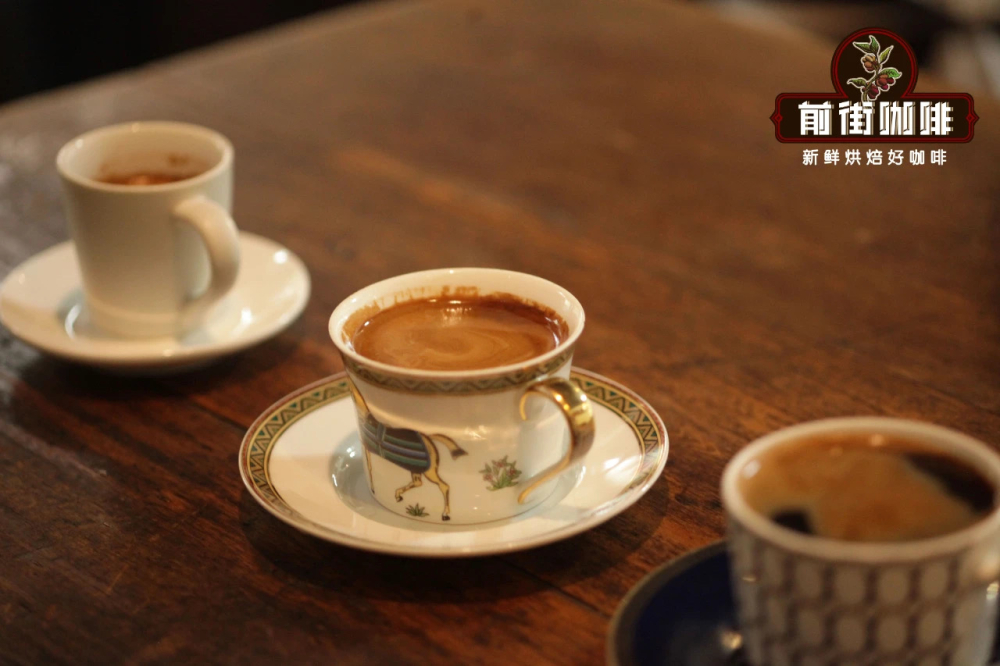
The Art of Espresso Blending | What Are Espresso Beans? How to Blend Roasted Coffee Beans? Introduction to Espresso Blend Ratio Principles
Some friends may know about coffee beans, but not realize that coffee beans are also divided into espresso and single-origin. Actually, it's not hard to understand—the lattes and similar drinks we often have belong to espresso coffee, and the coffee beans used must correspond accordingly. Not all coffee beans can be used to make espresso. Some people ask Front Street: So what kind of [more…]
Introduction to Coffee Blending: Blending Objectives, the Difference Between Raw and Roasted Blending, and a Flavor Analysis of Front Street Coffee's Four Espresso Blends
For friends who are new to coffee, the formula logic behind blended beans often seems mysterious. This article, from the perspective of Front Street Coffee, systematically sorts out the purpose and commercial considerations of blending, the order of blending and roasting, the specific steps and principles of blending, and introduces one by one the four blended coffee beans launched by Front Street—Sunflower Warm Sun, Specialty Blend, Commercial Blend, and Dark Cocoa Blend—covering ratios, blending methods, and flavor characteristics, helping coffee lovers build a complete cognitive framework for blended coffee. [more…]
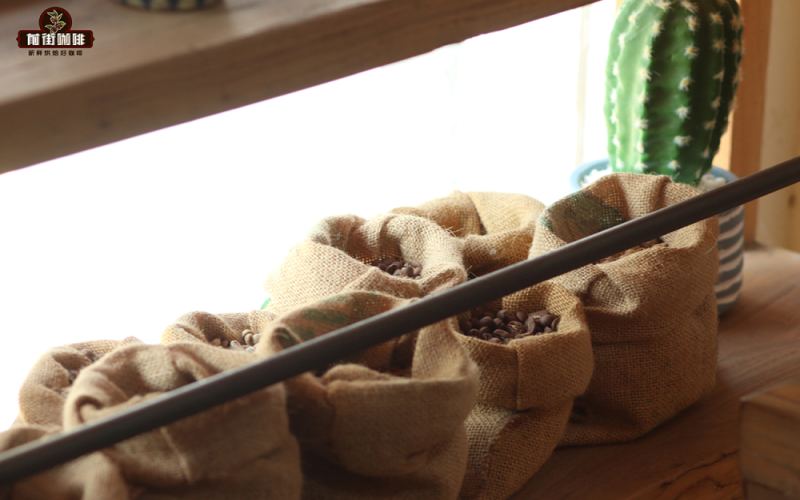
Coffee Bean Resting | What Is a Coffee Blend? What Are the Recipes for Espresso Blend Coffee Beans? How Long Should Espresso Coffee Beans Be Rested?
Recently, a regular customer who often comes to Front Street to buy Front Street Espresso Blend coffee beans has been visiting, while new customers to Front Street look quite puzzled, not understanding why the Front Street Coffee (FrontStreet Coffee) barista would mix several kinds of beans together to sell. In fact, this is blended coffee beans, also called a blend. [more…]
A Complete Guide to Espresso Blend Coffee Beans: Blending Principles, Raw-Roasted Blending Methods, Seasonal Recipes, and Brand Recommendations
Blended coffee beans are the flavor cornerstone of espresso, but there is a great deal of craft behind how to blend an outstanding shot. This article begins with the basic logic of blending: a good recipe must surpass any single-origin bean in the blend, and the number of bean varieties should ideally be kept to no more than five; it then analyzes the differences between the two processes of roasted blending and green blending, along with their respective resting times—3-4 days for green blending and about a week for roasted blending; next, it introduces the seasonal blending concept popular in the specialty coffee world, and uses the standout sweet Front Street Strawberry Candy espresso as an example to break down its composition of origins and processing methods; finally, it presents the cost-performance ledger of Guangzhou Front Street Coffee's commercial blend beans—less than 1.5 yuan per cup—providing a clear reference for your purchasing decision. [more…]
Front Street Coffee's Four Italian-Style Blend Beans Flavor Analysis: A Comprehensive Overview from Raw Blends and Roasted Blends to SOE and Classic Recipes
The development of espresso blends has undergone an evolution from traditional dark-roasted blends with Robusta beans to modern specialty blends. In this article, Front Street Coffee systematically sorts out the core logic of espresso blending: why blending is necessary, the respective advantages and disadvantages of blending green beans versus blending roasted beans, the rise and limitations of the SOE trend, and provides a detailed introduction to four representative espresso blend recipes—Front Street Specialty Blend, Front Street Commercial Espresso Blend, Front Street Dark Cocoa Blend, and Front Street Strawberry Candy Espresso Blend—covering the flavor characteristics and roasting approaches of beans from origins such as Colombia Huila, Brazil Cerrado, Yunnan AA, and Indonesia Mandheling, and finally attaching ratio instructions for espresso, latte, cappuccino, flat white, and other fancy coffee drinks, providing coffee enthusiasts and industry professionals with a complete framework for understanding blending. [more…]
A Beginner's Guide to Coffee Blending: Blending Goals, the Differences Between Raw and Roasted Blending, and Analysis of Classic Recipes
The commercial motivations behind blending coffee beans typically operate on two levels: first, lowering costs and ensuring consistent output by combining beans from different origins; second, creating a unique flavor profile that others cannot replicate, so customers can only identify with one brand. Setting aside commercial considerations, this article focuses on blending practices aimed at enhancing flavor quality. It begins with understanding the individual character of coffees from various origins, then moves to determining blending goals and defining the role each bean plays, followed by choosing between two processing methods—blending green beans or blending roasted beans—and finally the process of determining the number of components, ratios, and repeated cupping. Front Street Coffee also lists four representative blended products for reference by coffee shops and enthusiasts with different needs. [more…]
A Detailed Guide to Espresso Blend Coffee Bean Recipes: From Raw Blending and Roasted Blending to Front Street Coffee's Three Classic Blend Options
Blending coffee beans means mixing single-origin coffee beans from different regions in certain proportions, so that their respective strengths complement or reinforce one another, resulting in a more balanced and stable flavor expression. This article revolves around the core logic of espresso blending, first explaining the trade-offs between the two processes of raw blending and roasted blending, then sharing three representative recipes from Front Street one by one: Specialty Blend (Colombia Huila × Brazil Cerrado), Commercial Espresso Blend (with Robusta added), and Basic Espresso Blend (Yunnan AA × Brazil). The article records in detail the altitude, variety, processing method, and roasting approach of the beans from each origin, and gives the flavor direction and applicable scenarios after blending, making it suitable as a reference for coffee enthusiasts and people opening shops. [more…]
Analyzing the Flavor Characteristics of Italian-Style Dark Roast Coffee Beans: From the Causes of Crema to a Guide for Choosing Front Street Coffee's Blend Beans
Deep roasting has always been a classic roasting direction in the espresso field. In the early years, beverages such as lattes, cappuccinos, and Americanos in coffee shops were almost all based on espresso extracted from dark-roasted beans. Dark roasting not only gives coffee a strong, smoky aroma but also leaves the extracted coffee liquid covered with a thick layer of crema, providing clear line definition for latte art. With the spread of the specialty coffee concept, the choices for espresso beans are now more diverse, and medium-dark roasted blends have gradually become mainstream, preserving a caramel-like sweetness while making the mouthfeel more balanced and delicate. This article will start from the flavor characteristics of dark-roasted coffee beans, explain in detail the formation principle of the golden crema bubbles on the surface of espresso, and, combining three products—Front Street Classic Blend, Commercial Blend, and Dark Cocoa Base Blend—provide practical bean-selection references for home brewing and coffee shop needs. [more…]

The relationship between coffee bean oil content and roast level, and how to choose espresso beans rich in oil
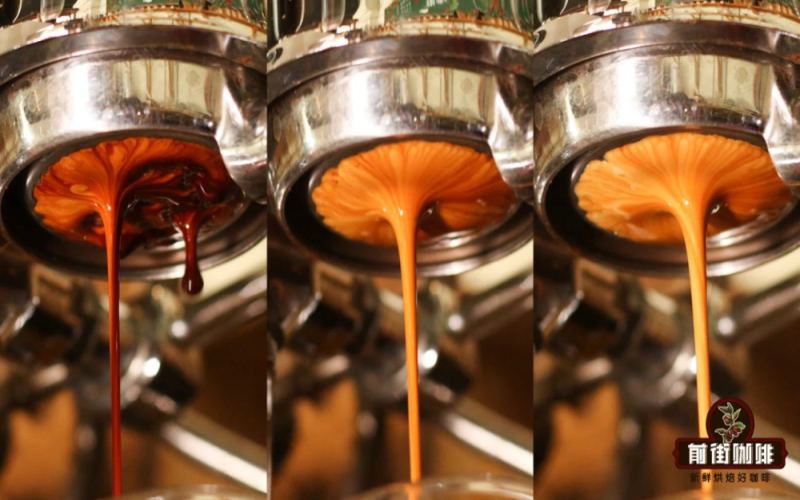
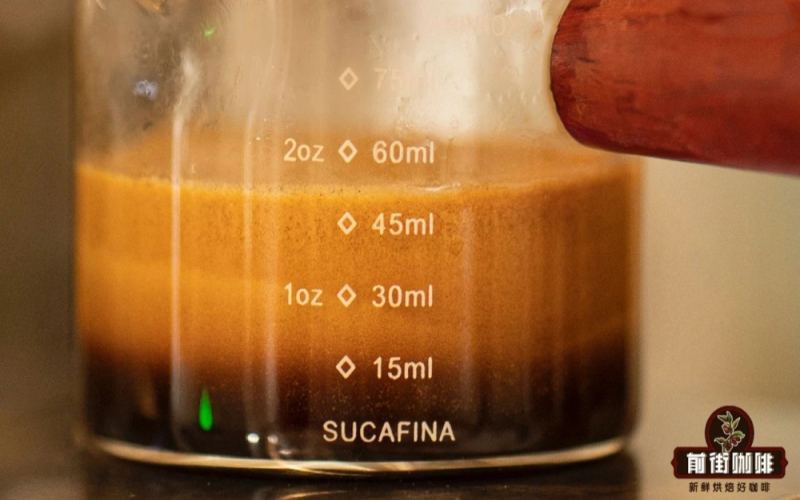
The crema on the surface of an espresso is actually formed when the oils in the coffee wrap around carbon dioxide. Therefore, by observing how much crema there is, you can judge how fresh the coffee beans are—the richer the crema, the fresher the beans. In addition, using medium-dark roasted coffee beans to make espresso can make the crema layer more stable and the foam thicker and longer-lasting. Based on these principles, if you want to buy coffee beans with abundant crema, it is recommended to prioritize fresh products within 5 days after roasting. Among the espresso blend series under the Front Street Coffee brand, Front Street Classic Blend uses a medium-dark roast, while Front Street Commercial Blend is a dark roast. Both can satisfy coffee lovers who have requirements for crema. [more…]
Must Espresso Beans Be Blended? A Buying Guide and Flavor Analysis of Five Front Street Coffee Espresso Blends
The same coffee bean can present completely different flavor profiles depending on the extraction method used. Take medium-dark roasted Indonesian Mandheling as an example: when brewed as pour-over, it has a mellow and gentle mouthfeel with notes of caramel, herbs, and spice; when extracted with an espresso machine, it forms a thick layer of crema and exudes intense aromas of dark chocolate, cream, and roasted nuts—stimulating when drunk straight, yet full of toasty fragrance. Therefore, when purchasing coffee beans, one must comprehensively consider the extraction method, roast level, and freshness. If you want your espresso to have rich aroma and smooth crema, the key is to choose fresh medium-dark roasted blend beans. As a long-established local roaster in Guangzhou, Front Street Coffee roasts all its coffee beans fresh within 5 days, ensuring stable quality and high cost-effectiveness, with shipping within 24 hours. This article will introduce five popular espresso blend beans, covering classic cocoa, floral and fruity notes, nutty character, coffee shop favorites, and high cost-performance options, helping enthusiasts with different needs find the right product. [more…]
Espresso Blend Guide: Common Recipes, Pairing Ideas, and Five Front Street Coffee Recommendations
The same coffee beans can present completely different flavors depending on the extraction method. Take Front Street Indonesia Mandheling, a medium-dark roast, as an example: when brewed as pour-over, it is mellow and gentle, with notes of caramel, herbs, and spices; if instead made into espresso with a coffee machine, it develops a rich layer of crema, releasing layers of dark chocolate, cream, and roasted nut aromas, and when drunk straight it is intense and stimulating with a pronounced roasted note. This shows that choosing coffee beans cannot be done casually; you need to consider the extraction method, roast level, and freshness. Fresh beans are rich in carbon dioxide, and together with the porous structure of a dark roast, they make it easier to extract a large amount of crema and roasting aromas such as chocolate, cocoa, butter, cookies, and caramel. For beginners, value for money is especially important. Below are five of the most popular espresso blends, covering Front Street Specialty Blend, Commercial Blend, Dark Cocoa Blend, and Classic Blend, along with their respective suitable scenarios and flavor characteristics, for reference whether for opening a shop or home use. [more…]
The Complete Guide to Buying Espresso Blend Coffee Beans: From Blending Principles to an Analysis of Front Street Coffee's Four Products
Blending coffee is not simply mixing beans together, but an art that combines experience, inspiration, and scientific calculation. This article systematically sorts out the purpose and commercial logic of blending, the sequence between blending and roasting, the blending steps and core principles, and introduces in detail four distinctive espresso blend coffee beans under Front Street Coffee — Sunflower Warm Sun, Specialty Blend, Commercial Blend, and Dark Cocoa Blend — covering formulas, roasting methods, flavor characteristics, and applicable scenarios, helping coffee enthusiasts and professionals comprehensively understand the classification and purchasing points of espresso blend coffee beans. [more…]
Characteristics of Espresso | Which Type of Blend Coffee Beans Are Suitable for Opening a Coffee Shop? Beginner-Friendly Recommendations for Freshly Roasted Espresso Coffee Beans That Make Great Americanos
The origin of the green beans and the roast level of the beans will affect the flavor of a coffee. Although single-origin coffees have their own various pleasures, creating new tastes by blending coffee beans with different flavors is another kind of enjoyment. 01 What is [ Espresso ] Espresso is also called Es [more…]

The Purpose of Blending Coffee Beans | What Is Blended Coffee (blending coffee)? How Many Single-Origin Coffee Bean Varieties and What Proportions Are Suitable for a Blend?
Many people don't understand how blended beans are formulated. Now Front Street Coffee will guide you through the thinking behind blended coffee beans and how to blend coffee. Reasons and purposes for blending: People blend coffees from different origins together for several different purposes. The most ideal purpose, of course, is to blend a flavor [more…]
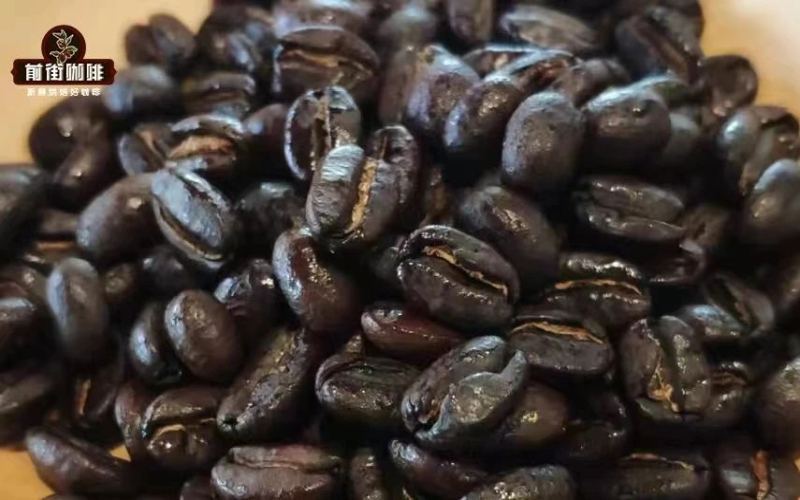
Are dark-roasted coffee beans necessarily burnt and bitter? What flavor do charred-black beans actually present?
Many people, when they hear "dark roast coffee beans," immediately think of burnt bitterness, heavy smoky flavors, or even find them hard to drink. But is that really the case? A properly roasted dark roast bean can actually offer pleasant notes of cocoa, dark chocolate, caramel, and nuts, with low acidity and a full body, balanced between sweetness and bitterness. Drawing on Front Street Coffee's roasting experience, this article sorts out the relationship between the Maillard reaction and roast level, and recommends a variety of Front Street medium-dark and dark roast products for different taste preferences, including Queen's Estate, PWN Golden Mandheling, Classic Blend, Specialty Blend, Commercial Blend, and Dark Cocoa Base Blend, helping coffee lovers find the rich, full-bodied choice that suits them. [more…]
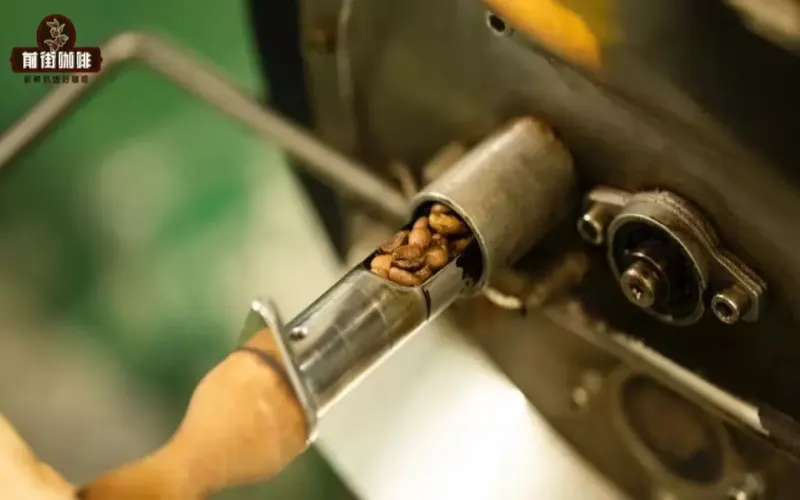
An Analysis of the Differences Between Pre-Roast and Post-Roast Blending for Espresso Blends, with a Discussion of Blend Recipe Design and Tasting Methods
Espresso coffee beans are usually made by blending a variety of coffee beans, and in Italy, a bag of beans may contain several or even dozens of beans from different origins. The core value of blending lies in maintaining flavor stability: when a certain bean's quality fluctuates, its production declines, or its price rises, the roaster can substitute it with beans of similar quality without changing the overall taste. Blending methods are mainly divided into two types: pre-roast blending and post-roast blending, each with different operational logic and suitable scenarios. This article focuses on the differences between these two blending methods, while also explaining the influence of roast degree on flavor, the reasons why single-origin beans find it difficult to independently serve as an espresso base, and recommending three classic espresso blend products from the Front Street Coffee brand, to help coffee enthusiasts understand the design approach and tasting direction of blend recipes. [more…]
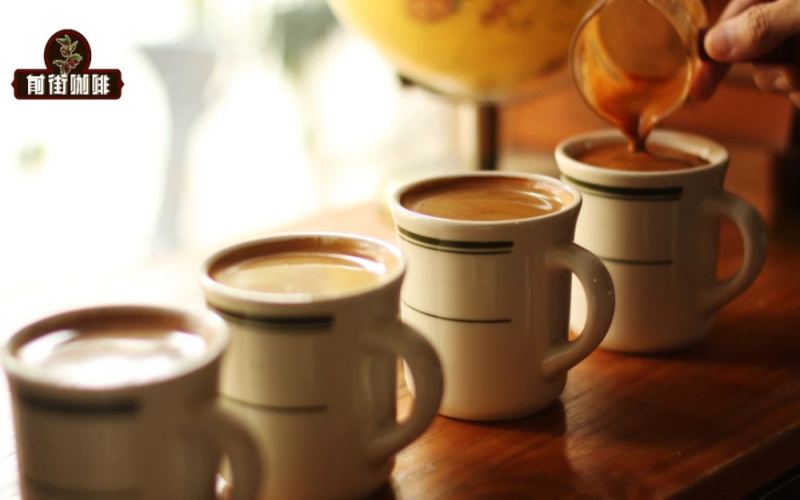
Understanding the Difference Between SOE Single-Origin Espresso and Espresso Blend Beans in One Article, Plus a Full Analysis of Front Street Coffee Espresso Bean Recommendations
SOE stands for single-origin espresso. It has rapidly gained popularity in domestic specialty coffee shops over the past two years and is often compared by consumers with espresso blends. This article will clarify the positioning of the two: SOE excels in distinctive flavor personality, while blends are strong in quality consistency, and there is no absolute hierarchy between them. The article also explains the difference between the two blending processes—pre-roast blending and post-roast blending—and compiles Front Street Coffee's four espresso blends and three medium-roast single-origin beans suitable for pulling SOE, including Strawberry Candy Blend, Costa Rica Mozart, Ethiopia Huakui, Brazil Queen's Farm, and others, providing a practical reference for choosing espresso beans. [more…]
Blend Bean Characteristics | Why Do Blend Beans Produce Richer, More Stable Flavor and Crema in Espresso Extraction? Affordable Specialty Espresso Blend Coffee Bean Recommendations
Blended coffee refers to a mixture of coffee beans from two or more different origins. When people order at a café, unless the barista specifically emphasizes otherwise, the coffee beans used are usually espresso blend beans, and they are typically medium to dark roasted. Americanos made from this type of espresso blend are generally light and refreshing. [more…]